
To keep pets safe before the temperature gets too hot, owners must grasp the rapid and lethal increase of heat inside parked cars, a danger that tragically causes hundreds of annual pet fatalities. Understanding these environmental risks, alongside pets’ unique physiological vulnerabilities to heat, is crucial for effective prevention.
Key Implications
- Parked vehicles rapidly become lethal environments, escalating from an 85-degree ambient temperature to 102 degrees in just 10 minutes and 120 degrees within 30 minutes, even with slightly open windows, making unattended pets highly vulnerable to heatstroke.
- Pets are highly susceptible to overheating due to inefficient cooling mechanisms; primarily panting, which is ineffective in high humidity, and limited sweat glands, necessitating their body temperature to remain below 104 degrees to prevent severe organ damage.
- Effective prevention requires never leaving pets unattended in cars, recognizing critical heatstroke symptoms like heavy panting and glazed eyes, and utilizing specialized cooling products such as wraps or mats, which can provide up to three days of sustained cooling.
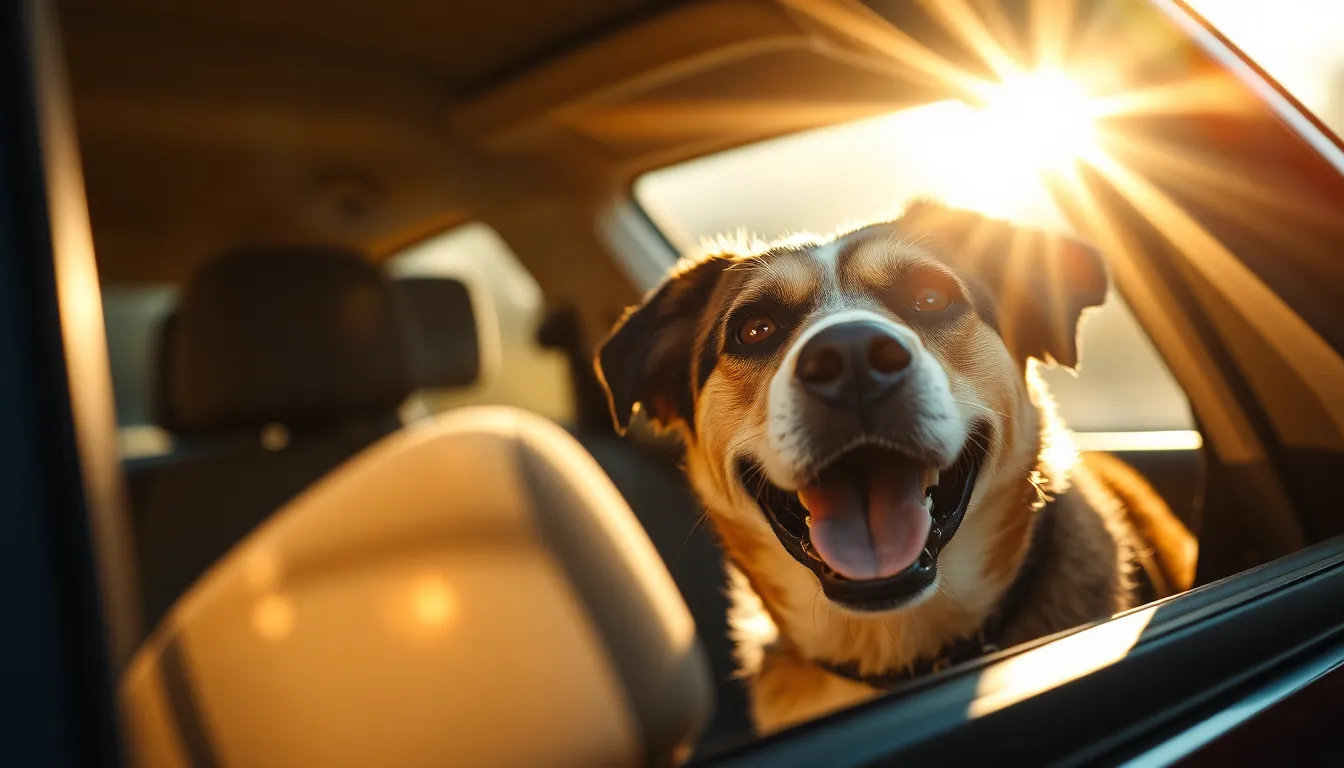
Rapid Car Temperature Increases Cause Hundreds of Pet Fatalities Annually
Leaving pets in parked vehicles presents an extreme danger. Interior car temperatures rise rapidly, creating a lethal environment. On an 85-degree day, the temperature inside a car, even with windows opened slightly, can reach 102 degrees within just 10 minutes. This swift escalation shows how quickly conditions become perilous for an animal.
The danger intensifies dramatically over time. After only 30 minutes on an 85-degree day, the temperature inside a vehicle will soar to 120 degrees. This demonstrates a shocking increase of as much as 35 degrees from the ambient temperature in a very short period. Such conditions can quickly overwhelm a pet’s ability to regulate its body temperature.
Sadly, hundreds of pets are lost each year to heat stroke. These tragic fatalities occur especially when animals are left unattended in parked cars. Pet owners must understand that even a brief stop can have irreversible consequences. It is critical to keep pets safe before the temperature gets too hot, preventing these preventable losses.
The Lethal Trap: How Quickly Car Temperatures Soar
Understanding the speed of temperature increase is vital for all pet owners. On an 85-degree day, the internal car temperature increases by 17 degrees in just 10 minutes. This initial surge pushes the car’s interior to 102 degrees. The car essentially acts as a greenhouse, trapping solar radiation and rapidly heating the enclosed space.
The situation worsens significantly in the subsequent 20 minutes. The temperature continues to climb, resulting in a 35-degree increase from the original 85 degrees within 30 minutes. This means the interior reaches a blistering 120 degrees. These extreme conditions highlight the severe, rapid increase in car interior temperatures, even with windows slightly open. Such an environment quickly becomes lethal for pets.
Many people mistakenly believe that cracking a window provides sufficient ventilation. However, this offers negligible relief against the intense heat accumulation. Studies consistently show that even several inches of an open window do little to slow the internal temperature rise. This emphasizes that leaving a pet in a parked car, regardless of window position, is never safe.
Irreversible Damage: The Peril of Rising Heat
The escalation of internal car temperatures from a 17-degree increase in 10 minutes to a 35-degree increase in 30 minutes demonstrates a critical time frame for irreversible damage. Pets cannot sweat efficiently like humans. They primarily cool themselves through panting. This mechanism becomes ineffective in high humidity and extreme heat within a car.
When a pet’s body temperature rises dangerously, it leads to heat stroke. This condition causes rapid damage to vital organs. The brain, kidneys, liver, and heart can suffer irreversible harm. This direct consequence of heat exposure in vehicles often results in organ failure or death. Symptoms can include excessive panting, drooling, lethargy, vomiting, diarrhea, staggering, and ultimately collapse or seizures.
The tragic reality is that hundreds of pets are lost each year to heat stroke directly linked to being left in parked cars. The immediate physiological impact on pets includes dehydration and cellular damage. This underscores why pet owners must prioritize their animals’ safety. Preventing this critical situation is far easier than trying to mitigate its devastating effects.
Protecting Our Pets: Essential Precautions
The most effective way to protect pets from heat stroke in vehicles is simple: never leave them unattended in a car, even for “just a minute.” Temperatures can climb to dangerous levels in what feels like moments. This applies even on days that do not seem excessively hot. The sun’s intensity can quickly transform a car into a deadly oven.
When traveling with pets, always plan ahead. If your destination does not allow pets inside, leave your companion at home where they can stay cool and safe. Utilize drive-through services or consider having another person stay with the pet outside the vehicle in a shaded, safe area if absolutely necessary. The core principle is to always keep pets safe before the temperature gets too hot and reaches critical levels.
Awareness and preparedness are key components of responsible pet ownership. Understanding the risks associated with rapid car temperature increases can prevent fatalities. For additional insights on pet welfare, consider exploring resources like seasonal pet safety tips for various circumstances. Remember, the well-being of our animal companions rests solely on our responsible actions.
If you see a pet in distress in a parked car, it is crucial to act immediately. Note the car’s make, model, color, and license plate. Alert local authorities, such as animal control or the police. Fire crews often respond to critical animal rescue calls, demonstrating the urgency of these situations, as seen in cases like saving a pet in distress. Time is of the essence when a pet is trapped in a dangerously hot vehicle.

Prevent Pet Heatstroke: Maintain Sub-104 Degree Body Temperatures with 3-Day Cooling Solutions
As temperatures climb and humidity rises, pet owners face a critical challenge: ensuring the safety and comfort of their beloved animals. Pets, especially dogs, possess physiological differences that significantly impair their ability to regulate body temperature compared to humans. This inherent vulnerability makes them highly susceptible to overheating, which can rapidly escalate into a life-threatening condition known as heatstroke. It is essential to proactively keep pets safe before the temperature gets too hot, as their internal cooling mechanisms are simply not as efficient as our own.
The primary concern is preventing your pet’s body temperature from exceeding a crucial threshold. For dogs, body temperatures should not reach over 104 degrees. Surpassing this point can lead to severe organ damage, neurological issues, and even death. Understanding these differences and implementing effective preventative strategies, including consistent hydration and specialized cooling products, are paramount for their well-being during warmer months.
Understanding Your Pet’s Unique Physiology
One of the most significant distinctions in temperature regulation lies in how pets dissipate heat. Unlike humans who sweat profusely across most of their skin, dogs primarily cool themselves through panting. This process involves rapid, shallow breathing that increases airflow over the moist surfaces of the tongue, mouth, and respiratory tract, facilitating evaporative cooling. While effective to a degree, this method becomes less efficient in high humidity, as the air is already saturated with moisture, hindering evaporation.
Furthermore, dogs do possess sweat glands, but these are primarily concentrated in their paw pads. This limited area for sweating means it plays a minimal role in their overall body temperature regulation. This fundamental difference explains why human-centric cooling methods often fall short for our canine companions. For example, fans do not cool pets as effectively as they do people. While a fan might provide a perceived breeze, it offers little significant relief for an animal that relies on panting for evaporative cooling and has limited surface area for sweating.
The inefficiency of fans highlights the necessity for alternative, physiologically appropriate cooling strategies. Simply placing a pet in front of a fan during a heatwave can provide a false sense of security, delaying critical interventions. Recognizing these distinct physiological responses is the first step toward implementing truly effective heat prevention measures for your pet.
Recognizing and Preventing Heatstroke
Vigilance is key to preventing heatstroke. Pet owners must be acutely aware of the early warning signs, as timely intervention can be life-saving. Heatstroke symptoms often progress rapidly, underscoring the urgency of recognition. Heavy panting, glazed eyes, and difficulty breathing are critical indicators that your pet is severely overheating and requires immediate attention. Heavy panting may appear exaggerated, noisy, or labored, indicating a struggle to pull in enough air for cooling.
Glazed eyes might appear wide, unfocused, or sunken, reflecting dehydration and distress. Difficulty breathing could manifest as gasping, shallow breaths, or an inability to catch their breath. Other signs can include excessive thirst, lethargy, drooling, a dark or bright red tongue, staggering, vomiting, and even seizures. Any combination of these symptoms should prompt an immediate trip to the veterinarian.
The ultimate goal is to prevent these symptoms from ever appearing by proactively managing your pet’s exposure to high temperatures and humidity. This involves creating a safe, cool environment and utilizing tools designed to support their unique cooling needs. Remember, waiting for signs of heatstroke means your pet is already in distress; prevention is always the best approach to ensure they remain healthy and active.
Effective Cooling Strategies for Lasting Safety
Beyond providing constant access to fresh, cool water—which is a non-negotiable aspect of hydration—specialized cooling products offer a powerful layer of protection against overheating. These innovations are designed with pet physiology in mind, providing sustained relief that conventional methods cannot match. Cooling body wraps, vests, and mats are among the most effective options available. Their mechanism is straightforward yet highly efficient: when soaked in cool water, they absorb and retain that coolness, slowly releasing it over time through evaporation.
A significant quantifiable benefit of these products is their longevity. Cooling body wraps, vests, or mats, when soaked in cool water, stay cool for up to three days. This extended cooling capability is invaluable for various situations, from long walks on warm days to extended periods at home during a heatwave. This prolonged effectiveness means pet owners can have peace of mind knowing their animals are protected for a significant duration without constant reapplication or monitoring. These products work by facilitating evaporative cooling directly against the pet’s body, providing a direct and efficient way to lower their core temperature.
Integrating these cooling solutions with consistent hydration practices creates a robust defense against heat-related illnesses. Always ensure your pet has a fresh, easily accessible water supply, perhaps even adding ice cubes to encourage drinking. For prolonged outdoor activities or travel, these 3-day cooling solutions become indispensable tools to ensure you effectively keep pets safe before the temperature gets too hot. Understanding and utilizing these specialized products are critical actions to truly keep pets safe during emergencies and high temperatures.
Featured image generated using Flux AI
Humane World: “Keep pets safe before the temperature gets too hot”