
Pet guardians are increasingly worried about the mental health of their dogs and cats, as new studies reveal nearly all dogs exhibit behavioral problems, profoundly impacting caregiver well-being. This widespread concern is so significant that many prioritize pet care over employment, reflecting a deep commitment to animal emotional welfare amidst challenges like pandemic-induced stress.
Key Implications
- Widespread Behavioral Challenges: Nearly all dogs exhibit behavioral problems, with separation anxiety being most prevalent, significantly elevating distress among guardians.
- Profound Guardian Commitment: A majority of guardians prioritize pet care needs over employment, driving growth in specialized pet services and highlighting a deep emotional investment in animal well-being.
- Interdependent Emotional Health: Pet emotional states often mirror guardian anxiety and are significantly impacted by environmental shifts, such as pandemic routine changes, necessitating a holistic approach to well-being for both.

99% of Dogs Exhibit Behavioral Problems, Elevating Guardian Distress
A large-scale study has uncovered a profound prevalence of behavioral challenges among dogs, signifying a major concern for owners. The findings indicate that nearly all dogs exhibit some form of behavioral problem, a realization that contributes significantly to why pet guardians are increasingly worried about the mental health of their dogs and cats. This widespread issue consequently elevates guardian distress across the pet-owning community.
Documented Scale of Canine Behavioral Issues
Research involving almost 45,000 surveyed pet guardians revealed a striking statistic: 99% reported moderate or severe behavioral problems in their dogs. This extensive data highlights the pervasive nature of these issues within the canine population (surveyed guardians).
Among these documented concerns, separation anxiety was identified as the most prevalent behavioral issue. This finding confirms a significant source of distress for both animals and their caregivers (study of 45,000 guardians).
Further evidence of guardian concern comes from a survey involving 600 pet guardians in the United States. This independent study pinpointed pet emotional well-being, especially separation anxiety, as a top concern among participants (US guardian survey).
The cumulative data from these various studies underscores the consistent and high level of anxiety experienced by individuals responsible for pet care. Guardians frequently seek effective solutions for managing these complex emotional states in their beloved pets.
COVID-19’s Detrimental Impact on Pet Emotions
The global COVID-19 lockdowns inadvertently created conditions that negatively affected the mental health of many pets. These significant changes in human routines directly impacted animal behavior and emotional stability.
Pets with pre-existing separation anxiety symptoms proved particularly susceptible to these new stressors. Alterations in household dynamics exacerbated their existing vulnerabilities.
The pandemic period brought several key challenges that contributed to these mental health issues:
- Dramatic changes in daily household routines
- Decreased opportunities for regular dog walks
- Reduced social interaction and exposure to external stimuli
These factors detrimentally impacted pets’ ability to regulate their emotions. Consequently, many pets developed or worsened behavioral challenges during this critical juncture.
Supporting Pets Through Behavioral Challenges
The extensive scale of guardian concern regarding their pets’ emotional state is undeniable, as shown by the 600-guardian survey. Owners are actively seeking support and information to better understand these pervasive issues.
Emphasizing the high incidence of documented behavioral problems, specifically separation anxiety, across a significant population like 45,000 dogs, validates these concerns. This widespread occurrence necessitates comprehensive approaches to pet care.
Discussions surrounding pandemic-induced changes in household routines and pet socialization underscore the complexity of mental health challenges, particularly for pets with existing separation anxiety. Guardians need access to resources to navigate these difficulties.
Addressing these widespread issues requires a multifaceted understanding of contributing factors and proactive strategies. Pet guardians are increasingly worried about the mental health of their dogs and cats, and providing informed guidance is paramount. For instance, understanding how to manage pet anxiety during stressful events can be beneficial. Consider exploring tips for pets during fireworks season for actionable advice.
60% of Pet Guardians Prioritize Pet Care Needs Over Employment
The emotional bond between pet guardians and their companion animals is profoundly strong, shaping significant life decisions. This deep connection significantly influences career choices, as many pet guardians are increasingly worried about the mental health of their dogs and cats. This concern often leads to remarkable personal and professional sacrifices for their pets’ well-being.
Unwavering Commitment to Companion Well-being
A notable 60% of pet guardians would consider leaving their current employment if it conflicted with their pet-care needs. This statistic demonstrates an extraordinary level of dedication and highlights the integral role pets play within their families. Such willingness to make substantial career adjustments, like seeking more flexible roles, underscores the profound emotional investment guardians have in their animals.
This commitment extends beyond basic physical care to encompass the intricate emotional and psychological health of their pets. Guardians prioritize their pets’ well-being above traditional professional obligations. This societal shift recognizes animals’ complex inner lives, influencing daily routines and long-term plans.
Growth in Tailored Pet Services
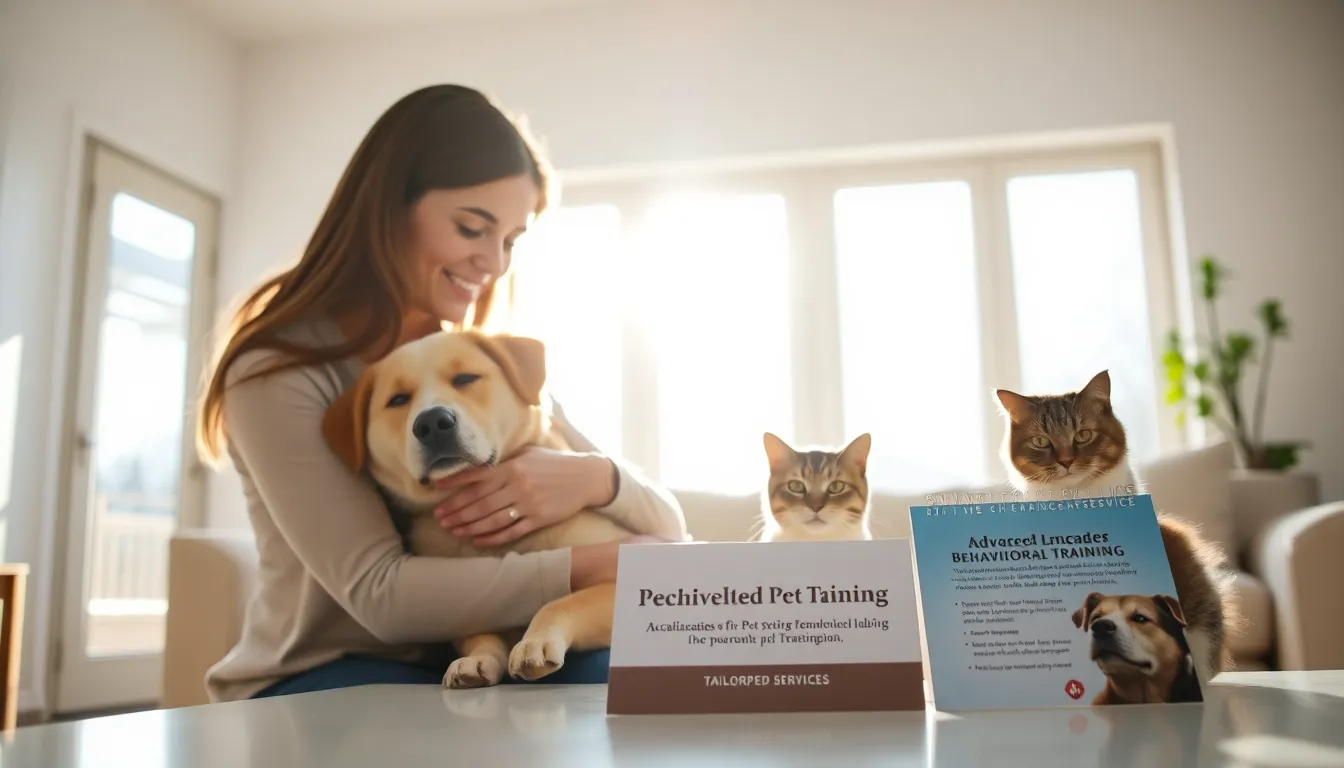
The pet-care market is experiencing active expansion, directly reflecting the growing demand for specialized services addressing pet emotional needs. This growth encompasses a diverse range of offerings specifically designed to support animal mental health and behavioral welfare. Services include advanced behavioral training programs, dedicated pet hotels, and specialized pet boarding facilities.
Guardians are increasingly seeking professional assistance to ensure their pets receive optimal emotional and psychological support. These specialized resources help manage various aspects of pet well-being, from alleviating separation anxiety to modifying reactive behaviors. The goal is to enhance a pet’s overall quality of life and foster harmonious cohabitation within the home.
For guardians concerned about specific stressors, exploring preventative measures and expert advice is beneficial. For instance, understanding how to assist pets during fireworks season offers practical insights into mitigating anxiety. Such proactive approaches contribute significantly to reducing pet stress and promoting a sense of security.
Research consistently indicates a notable association between heightened anxiety levels in pet guardians and an increase in fears and anxiety-related behaviors observed in their pets. This correlation underscores a critical, often overlooked, interplay between human and animal mental health. Pets frequently serve as emotional barometers, subtly mirroring the stress and emotional states of their caregivers.
When guardians experience significant stress, these emotions can inadvertently manifest in their pets as increased apprehension, compulsive behaviors, or even aggression. Observable fears and anxious behaviors in pets are not merely isolated incidents. They can be direct indicators of environmental or emotional stressors within the home environment, making recognition vital for comprehensive pet care.
A holistic approach to well-being suggests that addressing guardian anxiety can contribute positively to reducing fears and stress in companion animals. This involves guardians practicing self-care for their own mental health, which in turn creates a more stable emotional environment for their pets. Such strategies benefit the entire household’s emotional ecosystem, improving quality of life for all.
Featured image generated using Flux AI
The Conversation: “Pet guardians are increasingly worried about the mental health of their dogs and cats”
PR Newswire: “America’s pets are stressed — and their owners want to know why: New survey finds pet parents’ biggest concern in 2025 is mental health”
Shelter Animals Count: “How the pandemic affected separation anxiety in dogs and humans”
dvm360: “New study shows increased levels of anxiety in pets since the COVID-19 pandemic”
Forbes Advisor: “Pet Ownership Statistics”
Fortune Business Insights: “Pet Care Market”
K-LOVE: “If you had to, would you choose employment or your pet? Owners clearly view their pets as family”
The Conversation: “For better or worse: your dog’s behaviours can impact your quality of life”
The Conversation: “Pets don’t necessarily improve their owners’ well-being”