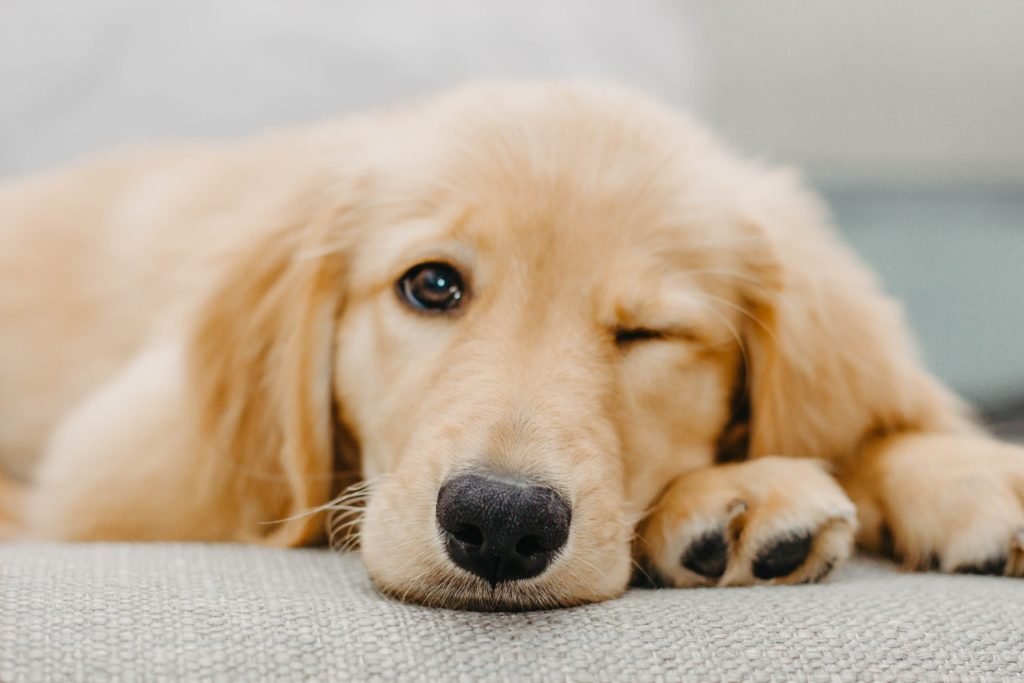
Worried about pets during fireworks season? Trainer reveals how to keep dogs and cats calm by emphasizing proactive and essential measures, as a substantial 62% of dogs experience distress from these loud, unpredictable noises. With 52% of UK adults holding private firework displays, comprehensive preparation is vital for ensuring pet safety and emotional well-being.
Key Implications
- Proactive Home and Routine Preparation: Securing the home, establishing a designated safe, quiet space with visual blockers, and adjusting daily routines like scheduling earlier walks are foundational steps to mitigate pet distress.
- Sensory Management and Calming Support: Actively masking disruptive noises with television or calming music, alongside considering natural calming agents like Valerian/Hemp in food or pheromone diffusers, can significantly reduce anxiety.
- Attentive Owner Presence and Personalized Support: Maintaining a calm demeanor, offering reassuring companionship for dogs while respecting cats’ instinct to hide, and adapting strategies based on individual pet behavior are crucial for effective stress reduction.
Mitigating Pet Distress: Proactive Steps Address 62% Impact on Dogs
Fireworks season, a time of vibrant celebrations for many, often ushers in significant distress for our beloved animal companions. For pet owners who are worried about pets during fireworks season? Trainer reveals how to keep dogs and cats calm through a series of proactive and essential measures. Data from an RSPCA poll starkly illustrates the scale of this problem, indicating that a substantial 62% of dogs will become distressed due to the loud and unpredictable noises of fireworks this year. This highlights an undeniable need for pet owners to meticulously prepare their homes and adjust daily routines well ahead of any planned or impromptu displays.
The challenge of managing pet anxiety during this period is further complicated by the widespread nature of private events. A separate RSPCA poll reveals that 52% of UK adults will be holding private firework displays at home. This prevalence means fireworks are not solely confined to large, publicized events but can erupt unexpectedly in local neighbourhoods, underscoring why comprehensive, proactive preparation is absolutely vital for ensuring pet safety and emotional well-being.
Adjusting Daily Routines for Canine and Feline Comfort
One of the foundational strategies for effectively mitigating pet distress involves thoughtfully adjusting your animal’s daily routine. As Bonfire Night and similar periods known for frequent firework activity approach, it becomes crucial to avoid dog walks after dark. Unexpected loud bangs can trigger severe panic responses, causing pets to bolt, which can tragically lead to them getting lost, injured, or even hit by traffic. Instead, schedule walks for earlier in the day when daylight provides more environmental predictability and significantly reduces the likelihood of sudden, startling noises.
Ensuring your dogs have had a sufficient walk and eaten their meal before fireworks commence can dramatically help them settle indoors. A physically tired and mentally stimulated dog is generally less restless and more amenable to relaxation, making it easier for them to cope with unsettling noises. Furthermore, a full stomach contributes to a sense of contentment and can act as a subtle distraction from external disturbances. Consider incorporating some gentle play or a focused training session earlier in the evening to further expend their energy before the noisy period begins.
Creating a Secure and Serene Home Environment
Your home must function as an unwavering sanctuary for your pets, particularly during times of heightened external stress. It is paramount to secure both your house and garden to be completely escape-proof. This means conducting a thorough inspection and meticulously securing all doors, windows, and fences. Panicked animals can exhibit an astonishing degree of strength, agility, and ingenuity in their attempts to escape what they perceive as a grave threat. Double-check all latches and locks, verify that windows are not only closed but firmly secured, and inspect garden fences for any gaps, loose panels, or weak points through which a frightened pet could squeeze, dig, or jump their way out.
Beyond physical security, establishing a designated safe, quiet space within your home is a cornerstone of effective preparation. This could be a specific room, a large dog crate draped with a thick blanket, or even a cozy spot under a bed where your pet naturally feels most secure. It is beneficial to introduce this safe haven well in advance of firework season, ensuring your pet associates it with comfort and safety rather than just a forced refuge during stressful events. Equip this space with their favorite bedding, comforting toys, and a long-lasting chew to provide a sense of normalcy and distraction.
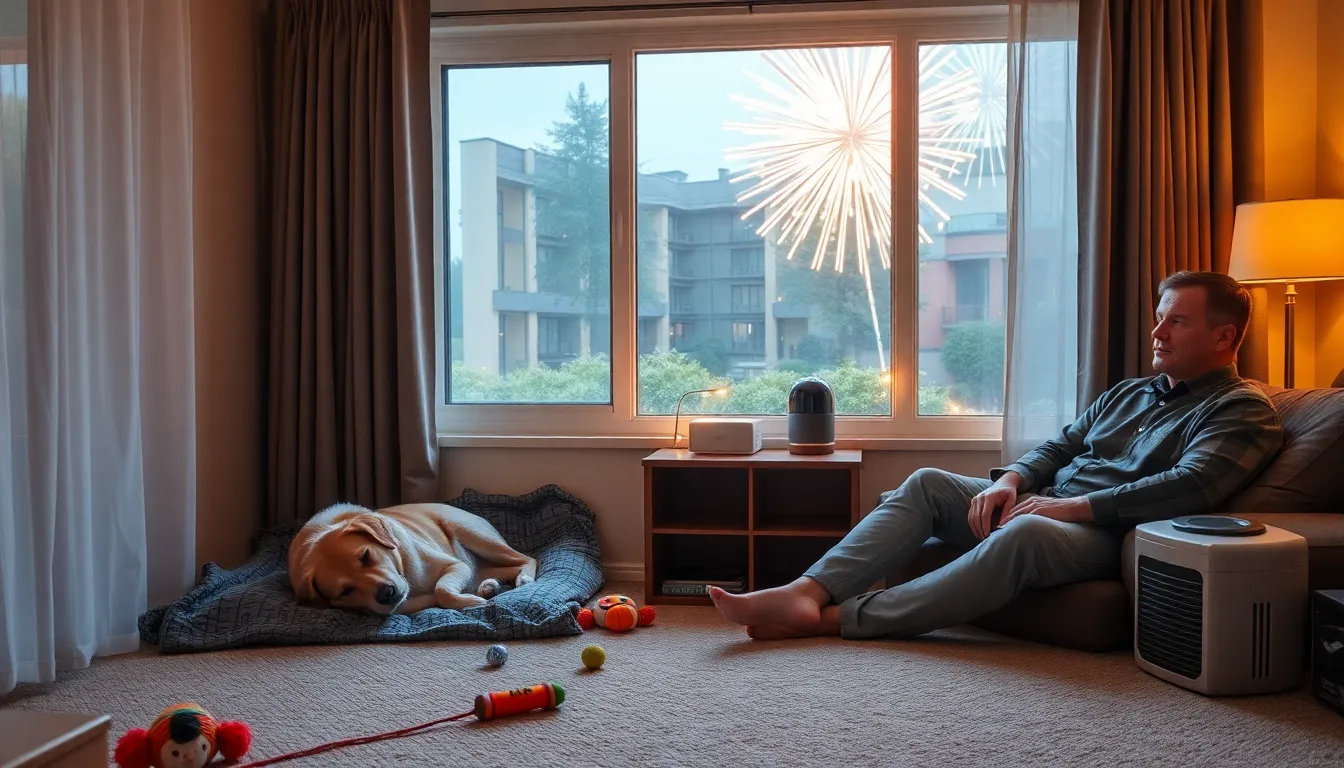
Furthermore, blocking out visual stimuli is equally as critical as managing auditory input. The simple act of closing curtains or blinds is a highly effective step to block out flashing lights from fireworks. These sudden, unpredictable bursts of light can be profoundly disorienting and stressful for pets, significantly contributing to their overall anxiety levels. Drawing heavy drapes or even utilizing temporary blackout blinds creates a more consistent, calming indoor environment, minimizing the visual triggers that can exacerbate fear.
Further Strategies for Noise and Stress Reduction
While visual cues are addressed, actively minimizing noise penetration remains a top priority. Though achieving complete soundproofing is often impractical for most homes, several simple yet impactful measures can make a significant difference. Turning on the television or radio to a moderate volume, tuned to a calming program or classical music, can effectively help to mask the jarring sounds of fireworks. This provides a familiar, continuous background noise that is considerably less startling than sudden, isolated explosions. Many pet owners also find success with white noise machines or specially curated calming music designed for animals, which can create a more peaceful auditory landscape.
Your own demeanor plays an integral role in how your pet perceives and reacts to the fireworks. It is critically important to remain calm and composed yourself, as pets are incredibly attuned to human emotions. Your anxiety or frantic reactions can inadvertently amplify their fear. Instead, project a consistent sense of normalcy and reassurance. Avoid excessively comforting or ‘fussing’ over your pet when they display signs of fear, as this can unintentionally reinforce their anxious behavior. Offer a gentle, reassuring presence and ensure they have unrestricted access to their established safe space. This measured, confident approach helps them understand that despite the unusual sounds, they are genuinely safe and not in imminent danger.
Implementing these comprehensive, proactive steps can profoundly reduce the distress experienced by both dogs and cats during the fireworks season. By meticulously securing their environment, thoughtfully adjusting daily routines, and actively cultivating a calm indoor atmosphere, pet owners can empower their animals to navigate this challenging period with greater resilience and ease. These actions embody the core advice from any expert: if you are worried about pets during fireworks season? Trainer reveals how to keep dogs and cats calm by emphasizing preparedness and attentive consideration of their unique needs. Planning ahead is truly the cornerstone to ensuring your cherished furry family members remain as comfortable, secure, and relaxed as possible amidst the seasonal noise and commotion.
Effective Calming Strategies: Natural Supplements and Secure Spaces
Fireworks season can be a particularly stressful time for pet owners who are worried about pets during fireworks season. The unpredictable flashes and loud bangs often trigger anxiety in our beloved companions. However, with attentive companionship, the creation of safe spaces, and the strategic use of natural calming agents, it is entirely possible to keep dogs and cats calm and comfortable during these challenging periods. Proactive planning makes a significant difference in their well-being.
Effective pet calming involves understanding and addressing their needs comprehensively. This includes not only physical comfort but also emotional reassurance and sensory management. By focusing on these key areas, owners can mitigate the negative impacts of fireworks, transforming a potentially terrifying experience into a manageable one for their pets.
Creating a Secure Environment
Providing a safe and secure environment is foundational to helping pets cope with fireworks. For dogs, companionship is paramount. When fireworks begin, dogs could panic if left alone on Bonfire Night or any other firework display evening. It is crucial for their relaxation and protection that you stay with them. Your calm presence can offer immense reassurance, signaling that there is no real danger.
While dogs often seek comfort from their owners, cats typically react differently. Cats often go off and hide on their own when spooked by fireworks. They generally prefer solitude in a quiet corner or under furniture. It is vital to respect this instinct and ensure they have access to their preferred hiding spots. Do not try to force them out or over-comfort them; allow them to retreat to their designated safe spaces, such as under a bed or inside a sturdy cupboard.
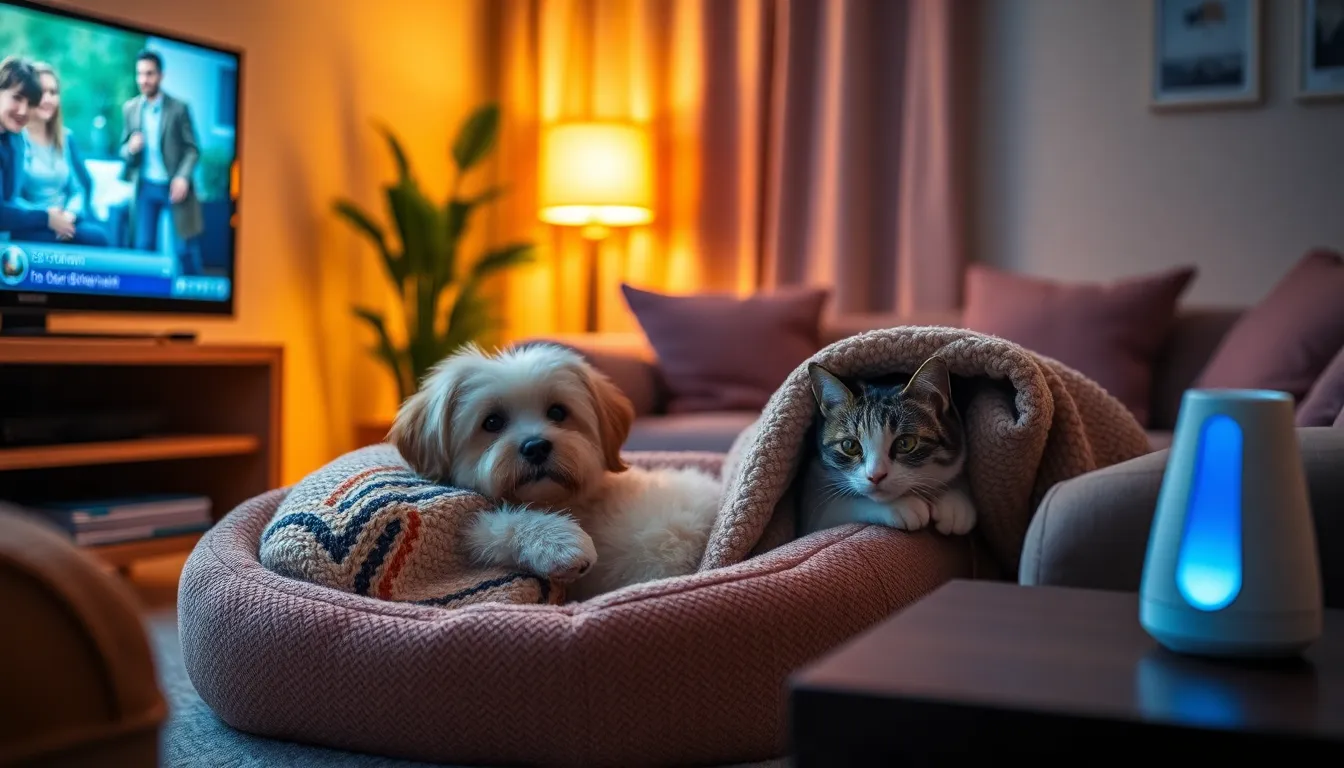
To further reduce the impact of external noises, masking disruptive sounds is highly effective. Utilize television or music to help disguise the loud noises of fireworks. Playing calming music or leaving the television on at a moderate volume can create a more consistent and less alarming auditory environment. This simple measure can significantly reduce the startling effect of sudden loud bangs and contributes to a more peaceful atmosphere for your pets.
Leveraging Natural Calming Aids
Beyond environmental adjustments, natural calming aids can play a supportive role in managing pet anxiety. Incorporating dietary support by opting for dog food with Valerian and Hemp on the ingredient list is one approach. These natural calming agents, when included in regular food or sprinkled over it as supplements, can aid in canine calm by promoting a sense of relaxation without sedation. Always consult your veterinarian before introducing new supplements to your pet’s diet.
Valerian root has long been recognized for its mild sedative properties, which can help alleviate stress and promote sleep. Hemp-derived products, particularly those containing cannabinoids like CBD (cannabidiol), are also increasingly used to support a calm demeanor and reduce anxiety in pets. When choosing supplements or specialized foods, look for reputable brands that provide clear ingredient lists and dosage recommendations suitable for your pet’s size and specific needs.
Another effective tool is stress-reducing pheromone diffusers. These devices work by mimicking GABA (gamma-aminobutyric acid), a natural calming agent present in all mammals, birds, and reptiles. GABA is a neurotransmitter that inhibits brain activity, effectively reducing nerve excitability. The synthetic pheromones released by the diffusers send signals of safety and reassurance, helping to alleviate fear-based behaviors in both dogs and cats. Plugging these in a few days before an anticipated fireworks event can build a calming atmosphere.
Observing and Adapting to Pet Behavior
A critical aspect of successfully navigating fireworks season is observing your pet’s individual behavior and adapting your strategies accordingly. Each animal will react uniquely to stressors, and a personalized approach is most effective in helping them keep dogs and cats calm. For dogs, allow them to hide if they wish, providing them with a den-like space where they feel secure. If they seek reassurance, offer calm attention and gentle petting rather than over-the-top comforting, which can inadvertently reinforce their fear.
For those dogs who appear less bothered by the noises, distraction can be a valuable tool. Engage them with their favorite toys, chew bones, or interactive puzzles. This shifts their focus away from the external sounds and onto a positive, engaging activity. Similarly, for cats, reinforcing their preference for solitude in a quiet corner or under furniture is key. Do not disturb them if they choose to hide, as this is their natural coping mechanism.
Ultimately, helping pets navigate fireworks season requires patience, attentiveness, and a flexible strategy. By combining a secure environment, natural calming aids, and a keen observation of your pet’s individual needs, you can significantly reduce their stress. Being prepared and responsive to their cues ensures that pets who are worried about pets during fireworks season receive the best possible support, allowing them to feel safe and protected during what can otherwise be a frightening experience.
Featured image generated using Flux AI
HELLO!: “Worried about pets during fireworks season? Trainer reveals how to keep dogs and cats calm”